
Supporting community health through aquatic activity
Natation Santé, France
–––––
CASE STUDY
––
Overview
Local swimming pools can help make health-focused physical activity part of everyday life,
including for people living with long-term conditions. In France, the Fédération Française de
Natation (FFN) has developed Natation Santé to support this role through its club network,
combining specialist instructor training, adapted aquatic activity and links with healthcare
organisations.
The programme brings together two complementary approaches. Nagez Forme Bien-être
offers activities to maintain health and wellbeing, while Nagez Forme Santé provides adapted sessions for people with specific health needs, including those living with chronic conditions. Together, the two strands attract approximately 40,000 registrations annually.
Participants can join directly through a club or be referred by a doctor or a Sport-Santé (sport
and health) centre. For Nagez Forme Santé, an initial consultation and assessment of physical capabilities help instructors adapt activities to individual needs. Participants do not necessarily need to be able to swim.
The approach connects community sport with healthcare, with clubs working alongside
hospitals, nursing homes and patient associations. It also offers a route for people to make
regular aquatic activity part of managing their health condition, supported by qualified
instructors in a local pool.


Photo: Fédération Française de Natation
“I can breathe better, my joints are more flexible, my balance has improved
and I’ve regained confidence in myself.”
Participant, Nagez Forme Santé
––
Points
of interest
Nagez Forme Santé runs in approximately 125 to 175 clubs, depending on annual accreditation renewals, with around 2,000 registrations each year. Nagez Forme Bien-être is offered by around 400 clubs, with approximately 38,000 annual registrations.
Instructors delivering Nagez Forme Santé must hold a specialist qualification awarded by FFN. Training covers chronic conditions, adapted session design, safety and integration into a healthcare pathway.
Accredited Nagez Forme Santé clubs follow a quality charter limiting groups to 12 participants. Clubs may work with groups of just three to five people, depending on participants’ mobility and abilities and the resources available.
Registration costs are comparable to standard recreational swimming provision. Clubs can apply for support through FFN and regional or local sports funding programmes, as well as other health-related funding opportunities.
National training, regional coordination and annual club accreditation provide a structure for extending health-focused aquatic activity across an existing swimming club network.
“Both the teaching approach and the group setting help participants develop psychosocial skills while building social connections.”
Instructor, Natation Santé,


Photo: Fédération Française de Natation
––
Conclusions
Natation Santé illustrates how swimming clubs can contribute to community health through adapted activities, trained instructors and relationships with healthcare providers. Welcoming people who may not swim confidently, or who need additional support to be active, broadens the role of pools and the communities they serve.
For other federations and pool operators, the programme offers a practical model for
connecting existing aquatic facilities with local health needs. Its combination of national
support and personalised local delivery shows how a swimming club network can create opportunities for people to remain active, build confidence and participate in community life.


Photo: Fédération Française de Natation
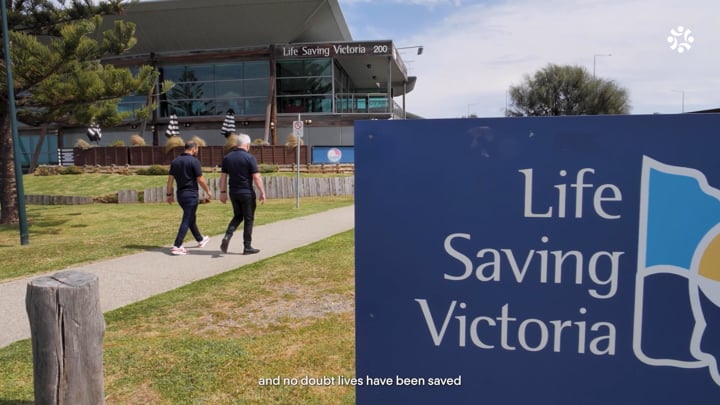
Community and water competency
Pathways for new Australians
Discover inspiring, thought-provoking perspectives of the world of swimming pools and aquatic activities.
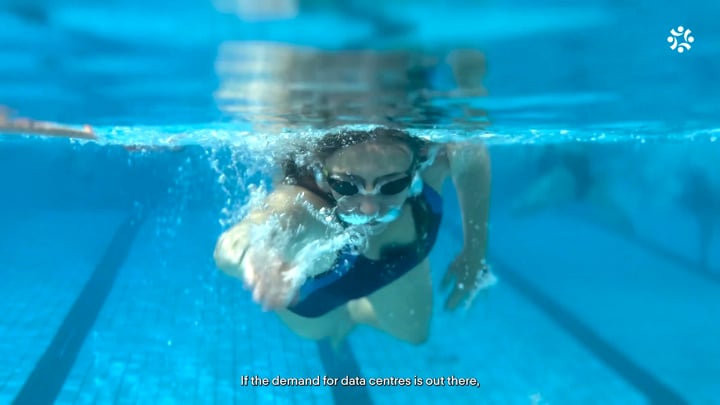
Swimming pools
and data centres
A sustainable symbiosis
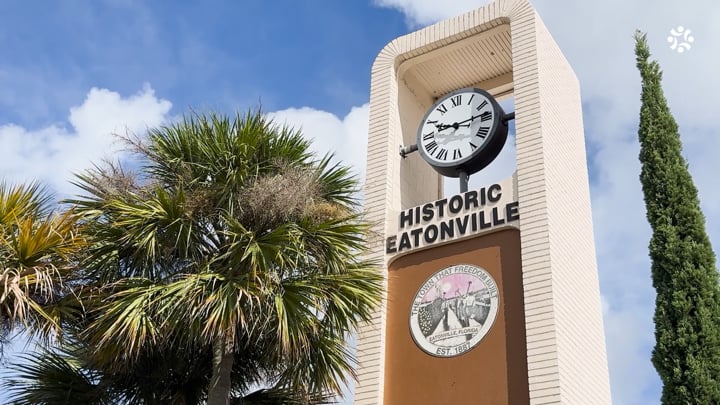
The pool that revitalized
a community
Eatonville, Florida, USA
Best-in-Class
projects



© 2025 Copyright. All rights reserved