
Swimming pool industry voice: Anne-Claire Marquet on collaboration, community and culture
–––––
SWIMMING POOL INDUSTRY VOICE
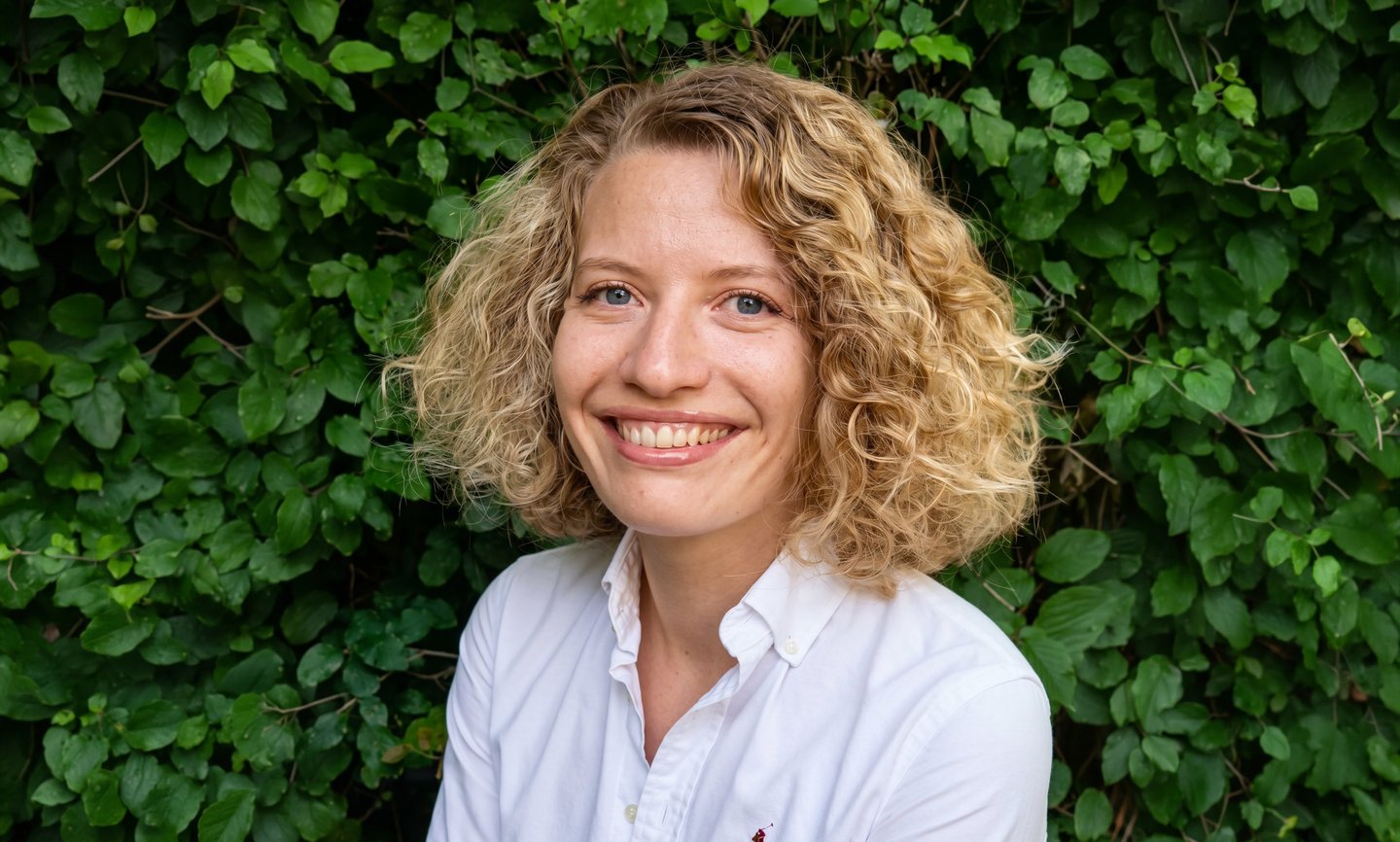

Anne-Claire Marquet
Anne-Claire Marquet is the Déléguée générale of the Fédération des Professionnels de la Piscine et du Spa (FPP: Federation of Pool and Spa Professionals) in France. She specialises in public affairs, with strong experience in institutional relations and advocacy at both national and European levels.
She has led several professional organizations, helping them grow, gain visibility and navigate complex regulatory environments. Known for her pragmatic approach, she enjoys working closely with stakeholders to build impactful strategies. Outside of work, she enjoys swimming, a passion that brings her both balance and energy.
Anne-Claire, what makes the pool industry unique from an association perspective?
From an association perspective, the pool industry is unique, because it sits at the crossroads of public interest, private enterprise and social responsibility. Associations represent a wide range of stakeholders while also interacting closely with public authorities and end users.
Associations help structure the sector, promote standards and disseminate best practices, particularly in key areas such as safety, environmental sustainability, and professional training.
What also makes the pool industry unique is its broader societal impact. Pools are not just commercial products; they contribute to public health, wellbeing, social inclusion and the learning of essential life skills such as swimming. This gives associations a strong legitimacy to advocate for the sector and to promote a positive and responsible narrative.
Finally, the industry is highly regulated and resource-intensive, which requires collective action.
Why is it so important that associations actively shape the narrative around pools?
It is essential for associations to take control of the narrative surrounding swimming pools. Professional associations operate at the crossroads of the general public, public authorities and industry professionals, which gives them credibility and makes them legitimate actors to promote a unifying narrative around swimming pools. It is crucial to convey a positive vision of swimming pools, both from the perspective of environmental sustainability and in terms of their benefits for physical and mental health, social inclusion, and the safe learning of swimming.
How important is international collaboration for a national association like the FPP and what can countries learn from each other?
The benefits of swimming pools do not stop at the borders of our country. International collaboration enables us to share ideas and best practices across Europe and globally, particularly in areas such as sustainable development, marketing and education. It also strengthens our collective ability to advocate with public authorities and clearly demonstrate the importance of swimming pools. This is why we are especially enthusiastic about our partnership with Pool Horizons, and particularly the international study on the positive societal externalities of swimming pools.
What is the role of pools in French culture?
Swimming pools are a fundamental part of French culture. France is the leading European market for swimming pools, with 1 in 20 French people owning a pool. This represents 3.7 million pools, demonstrating the strong attachment the French have to them. For many people, owning a pool is a dream. France is a country deeply committed to leisure and holidays, and a swimming pool is a way of being on vacation at home. Moreover, there is a strong tradition of inviting family and friends over, and swimming pools provide a place to gather.
Finally, swimming pools are associated with a whole world reflected in popular culture, such as the “Tournesol” pools of the 1960s, which helped many French people learn to swim. They are a cultural object in their own right, appearing in cinema, fashion, art and even perfume.

© 2025 Copyright. All rights reserved