
Helping teach
Asia to swim
A life skill for everyone
–––––
BEST-IN-CLASS
––
Overview
Across Asia, water is woven into daily life and cultural identity. Communities have long gathered at rivers, lakes and shorelines to work, celebrate and connect, and many regional traditions and festivals reflect this close relationship with aquatic environments. For generations, water has supported livelihoods - from fishing and transport to harvesting and trade - while also providing spaces for rest, play and recreation.
Today, this longstanding connection is evolving in new ways. Although competitive aquatics has long been a source of national pride in many Asian countries, the region is now experiencing a powerful shift: a renewed focus on swimming as a life skill, a pathway to confidence, wellbeing, belonging and joyful participation in aquatic life. Families, instructors and local organisations increasingly recognise the role swimming plays in enabling people to feel at home in the water and to enjoy its social, cultural and recreational benefits.
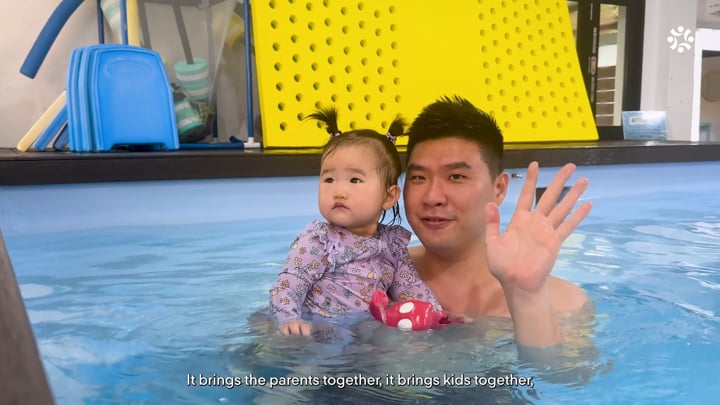
“Swimming’s a great equaliser… everybody’s main goal is just to learn. Swim schools are there to build the community… they bring people together and will be part of the core memory of a kid growing up.”
Sharrveish Paramsothy, Coach Manager – Recruitment, Swish Swimming, Singapore


––
Points
of interest
Approximately 30 to 35% of Asians aged 15+ report being able to swim without assistance, according to the OECD.
In some countries (Japan, Singapore, Hong Kong, Korea, for example) the percentage is around 55 to 65% but in many countries (India, Pakistan, China, Indonesia, Philippines) it is often between 10 and 30%.
Throughout Asia, men are more likely than women to report being able to swim without assistance.
Swimming is a compulsory subject in public school education in Japan, where there are over 26,700 school swimming pools: approximately 80% of schools have a pool.
According to the WHO, half of all South-East Asian countries include swimming education in their school curriculum.
“There’s a large emphasis on competition in Asia… but we are seeing that shift to more grassroots learn-to-swim.”
Emily McNeill, Global Partnerships Executive, International Swim Schools Association (ISSA)


––
Conclusions
As Asia’s aquatic landscape continues to evolve, swimming is emerging not just as a sport or recreational activity but as an essential capability that expands people’s opportunities. The growth of learn-to-swim programmes, renewed investment in facilities and stronger collaboration across communities is helping to ensure that more people -regardless of age, gender or background - can participate fully in water-based activities.
This momentum also creates clear opportunities for the swimming-pool industry, educators and related businesses to play a meaningful role in shaping Asia’s aquatic future. By supporting accessible programmes, modernising facilities and partnering with local communities, the sector can help unlock the region’s full potential, creating environments where people can be active, connect with others and build lifelong confidence in the water.
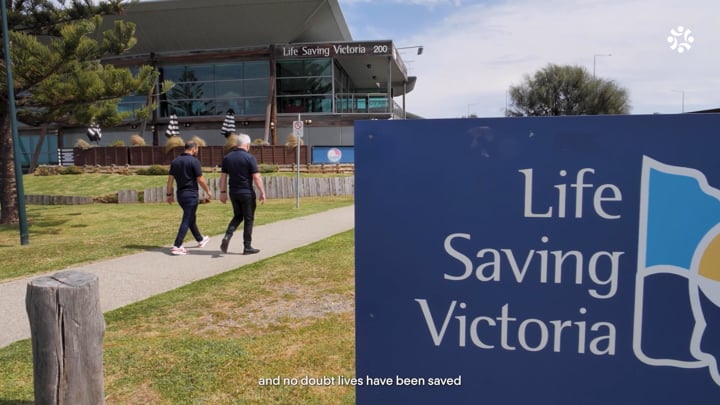
Community and water competency
Pathways for new Australians
Discover inspiring, thought-provoking perspectives of the world of swimming pools and aquatic activities.
Swimming pools
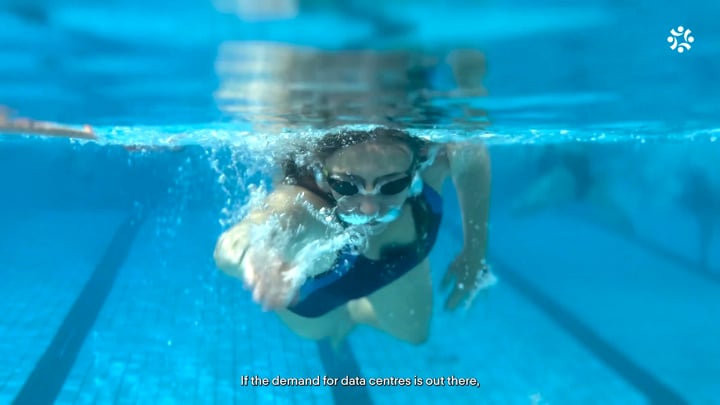
and data centres
A sustainable symbiosis
The pool that revitalized
a community
Eatonville, Florida, USA
Other
Best-in-Class





© 2025 Copyright. All rights reserved